E-Waste Disposal: Everything You Need to Know About Safe Recycling
The disposal of e-waste is a critical concern that affects both the environment and public health. As technology advances, the amount of discarded electronics continues to rise. Irresponsible disposal methods allow toxic substances to seep into the environment. Grasping the significance of responsible e-waste recycling is fundamental. This discussion will explore effective ways to handle e-waste and highlight the critical steps consumers can take to guarantee their devices are disposed of safely and sustainably.
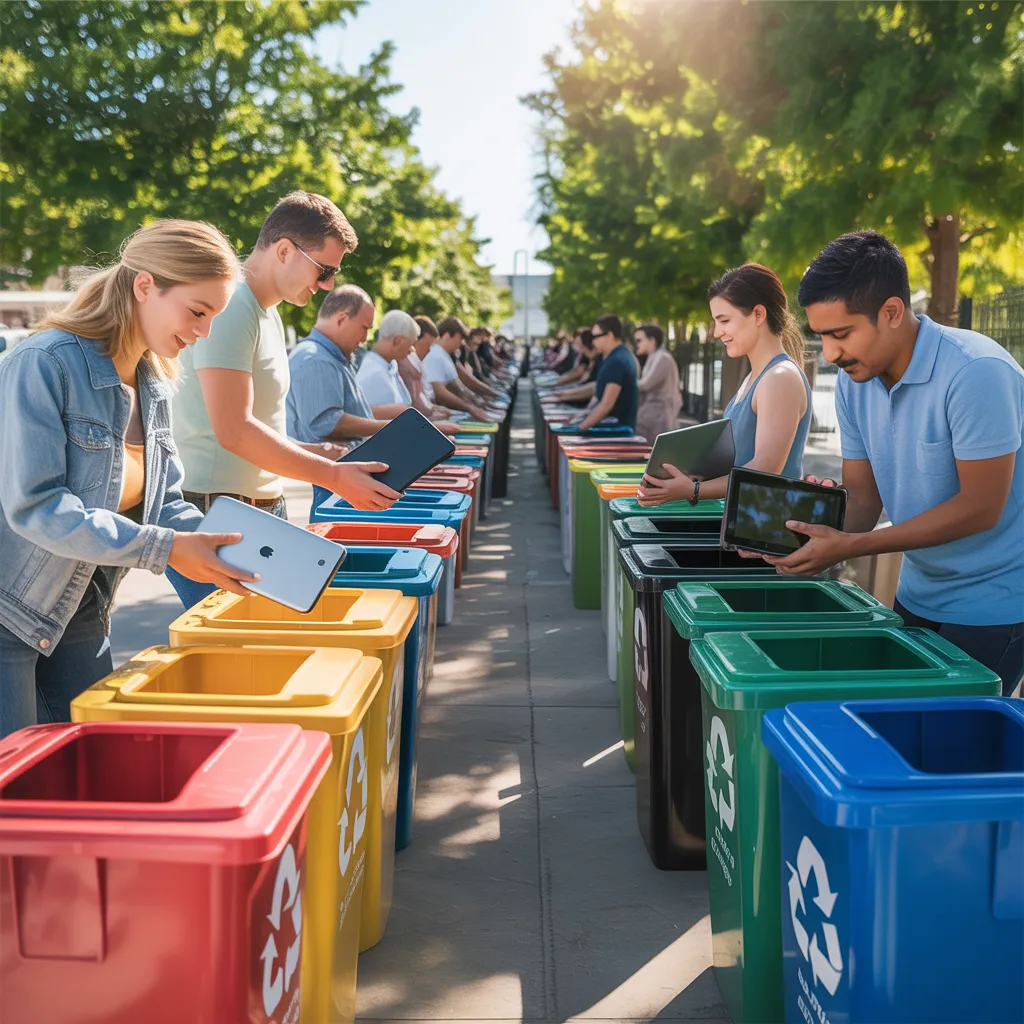
A Guide to E-Waste: What You Need to Know and Why It Counts
E-waste, also known as electronic waste, includes obsolete and unwanted electrical and electronic equipment, such as computers, mobile phones, and televisions. The fast-paced evolution of technology has contributed to a significant rise in e-waste output, establishing it as a major environmental challenge. Around the world, millions of tons of e-waste are created every year, commonly being dumped in landfills or improperly managed. Such waste harbors valuable components, like gold, silver, and rare earth elements, that are suitable for recycling. Yet, the careless disposal of e-waste may cause hazardous substances to be released into the natural environment. Understanding e-waste is essential for promoting responsible disposal practices and recycling efforts. Consumers, businesses, and governments all play a role in mitigating the impacts of e-waste, emphasizing the need for awareness and action. Effective management of e-waste not only conserves resources but also supports sustainable development and reduces the burden on landfills.
The Environmental and Health Risks of Improper E-Waste Disposal
Improper disposal of electronic waste poses significant environmental and health risks that are often overlooked. Toxic substances such as lead, mercury, and cadmium are commonly found in e-waste and can leach into soil and water supplies, contaminating ecosystems and endangering wildlife. These hazardous materials can accumulate in the food chain, posing serious risks to human health.
Beyond damage to the environment, being exposed to toxic e-waste substances can lead to various health problems, including disorders of the nervous system, respiratory complications, and even malignant diseases. Individuals participating in informal recycling processes are especially susceptible, frequently without safety equipment and adequate training.
The overall accumulated impact of the improper disposal of e-waste reaches further than immediate health concerns, leading to long-term environmental issues such as environmental pollution and the loss of biodiversity. With the ongoing expansion of electronic device usage, the urgency of tackling these concerns grows ever more essential for the health of humanity and the natural environment.
E-Waste Recycling Best Practices
Effective e-waste recycling begins with appropriate sorting methods, which ensure that materials are divided based on their recyclability. Utilizing certified recycling facilities further enhances the process, as these organizations adhere to environmental standards and safety regulations. Collectively, these best practices promote a more sustainable strategy for electronic waste management.
Effective Sorting Strategies
A large share of electronic waste can be effectively sorted to boost recycling efficiency and lessen environmental damage. Appropriate sorting practices require organizing e-waste into separate categories based on material composition, such as metals, plastics, and glass. This method not only optimizes the recycling procedure but also ensures that hazardous materials, like mercury and lead, are handled safely. Additionally, separating devices by type—such as appliances, computers, and smartphones—enables specialized handling techniques suitable for each category. Implementing these sorting strategies can markedly improve recovery rates of useful materials, reduce landfill contributions, and minimize the hazards linked to improper disposal. In summary, systematic sorting is essential for environmentally sound e-waste practices and conscientious recycling standards.
Approved Recycling Centers
Categorizing e-waste is merely the first step in a complete recycling strategy. The subsequent phase involves employing approved recycling plants, which adhere to strict protocols for eco-friendly processing. These facilities guarantee that hazardous materials, such as mercury and lead, are handled responsibly, lowering the risk of ecological damage. Certification typically includes guidelines established by organizations like R2 and e-Stewards certification bodies, which support responsible recycling methods. By selecting certified facilities, users can confirm that their e-waste is recycled properly, with precious resources extracted and dangerous materials eliminated safely. This not only supports sustainable practices but also supports the recycling-based economy, emphasizing the importance of responsible e-waste disposal in our modern digital world.
Steps to Prepare Your Electronics for Responsible Recycling
Readying electronic devices for appropriate recycling requires several key steps that ensure data security and environmental safety. Initially, users should save important data and then perform a factory reset on their devices to erase personal information. This confirms that sensitive data cannot be accessed by unauthorized individuals. Following this, it is crucial to detach any batteries or accessories, as these parts may need special handling.
Next, users should thoroughly clean their devices to remove any personal identifiers, such as labels or stickers. Finally, individuals should collect all required cables and original packaging, if available, to assist with the recycling process. By following these steps, the likelihood of data breaches is reduced, and the devices are readied for responsible recycling, thus helping create a more sustainable environment. Taking these precautions helps promote safe e-waste disposal practices.
Where to Find E-Waste Recycling Centers
How can individuals locate reliable e-waste disposal centers in their vicinity? One effective approach is to utilize online resources created with this goal in mind. Platforms like Earth911 and the e-Stewards Directory help individuals locate regional disposal facilities by entering their zip code. Additionally, several city governments provide information on designated e-waste drop-off locations through their formal web pages or environmental services divisions. Nearby electronic stores commonly take part in sustainability initiatives, offering collection events or in-store drop-offs. Civic groups and charitable organizations sometimes organize e-waste recycling drives from time to time, creating an easy opportunity for local inhabitants. Moreover, consulting nearby eco-friendly organizations can offer useful guidance into local centers and recommended approaches. By exploring these avenues, individuals can guarantee they conscientiously manage their electronic refuse while supporting eco-friendly practices.
How Are Consumers Able to Champion Sustainable E-Waste Practices?
Identifying trustworthy e-waste recycling centers represents only the initial step toward encouraging eco-friendly practices. People can proactively support proper e-waste management by raising their own awareness and that of others regarding the environmental risks of irresponsible disposal. Sharing information through social media platforms, community forums, or local events can raise awareness and encourage responsible behavior among peers.
Additionally, shoppers can support organizations that prioritize environmentally responsible approaches, such as those implementing recycling programs or incorporating sustainable materials. Collaborating with community legislators to support laws designed to improving electronic waste recycling programs additionally reinforces environmental advocacy.
Becoming part of or creating community groups dedicated to e-waste issues can strengthen calls for meaningful change. Ultimately, consumers can take part in e-waste collection events, actively supporting the movement for environmentally conscious disposal practices. By following through on these measures, individuals play an essential role in fostering a culture Start here of environmental responsibility and sustainability concerning electronic waste.
Frequently Asked Questions
Which Types of Electronic Devices Count as E-Waste?
Electronic waste includes used electronic equipment like computers, smartphones, televisions, printers, and appliances. These items typically consist of toxic components, rendering careful recycling and proper disposal essential for environmental safety and public health.
Can I Recycle E-Waste Through Regular Garbage Services?
Recycling e-waste through regular garbage services is generally not advisable. Most cities and towns have implemented guidelines that require e-waste to be brought to certified disposal sites to minimize ecological impact and ensure responsible handling of dangerous materials.
Are There Any Costs Involved With E-Waste Recycling?
Certainly, there can be costs involved in e-waste recycling. A number of facilities impose charges for specific items or services, while various local governments have free recycling initiatives. People should explore available options to determine possible costs prior to recycling.
How Is Data Securely Removed From Devices Before They Are Recycled?
Data is thoroughly erased from devices utilizing advanced software that overwrites existing information multiple times, ensuring total data removal. Alternatively, the physical destruction of storage media may also be used to prevent data recovery ahead of the recycling process.
What Takes Place With E-Waste After the Recycling Process?
Following the recycling process, e-waste materials are processed and separated into essential elements like metals, plastics, and glass. Such materials are subsequently utilized for producing new goods, thereby minimizing environmental impact and conserving natural resources.